Cart
Your shopping cart is empty!
It's never too late to make things right :)
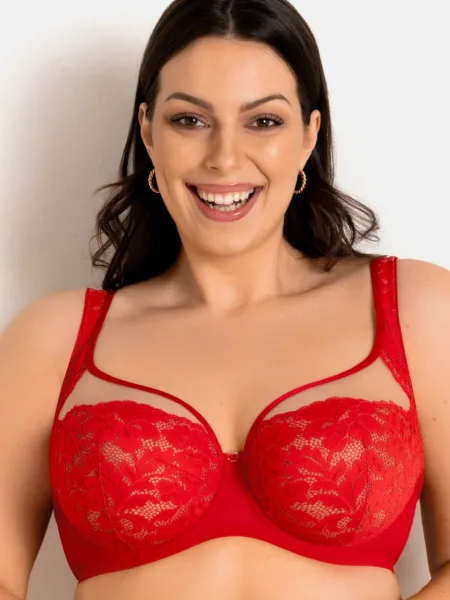
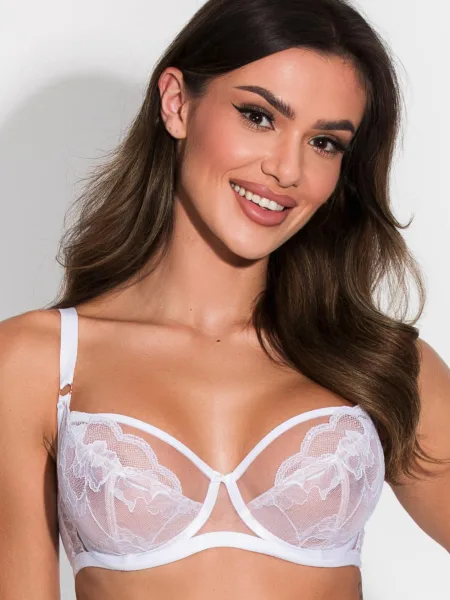
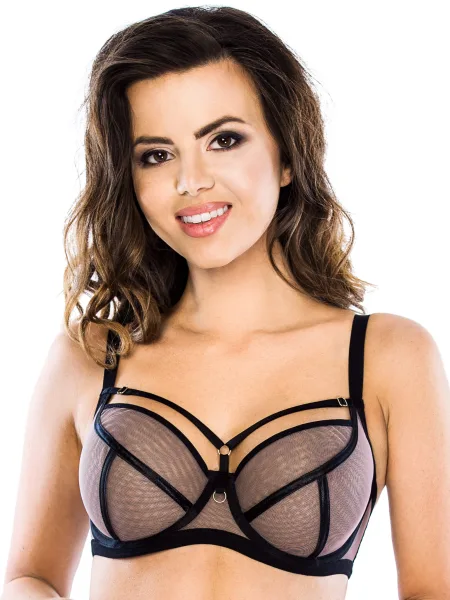
Full coverage bras cover most or all of the breast, with a top edge cut higher than balconette or plunge styles, so the breast sits inside the cup rather than above it. The same bras are sold as full cup bras, after the construction, and full figure bras, after the wearer, and all three names land here: deep seamed and padded cups from Mediolano, Gorsenia and Mat, underwired and wireless, in EU bands 65 to 115 with cups from B to M.
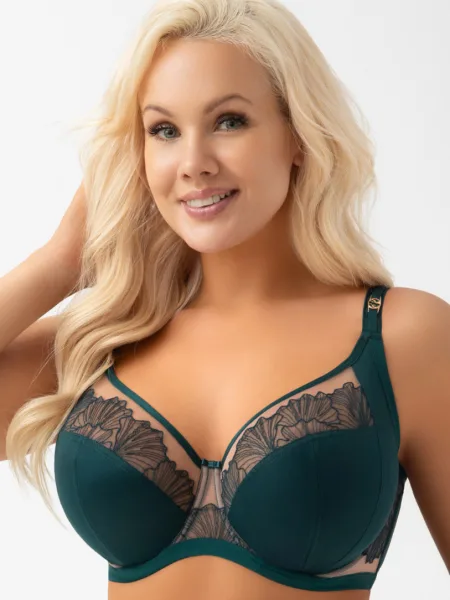
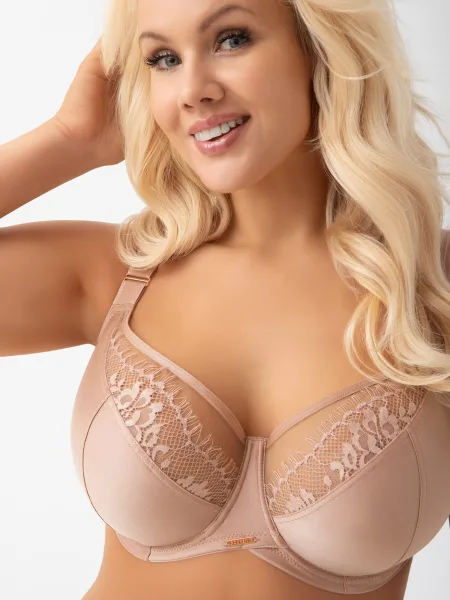
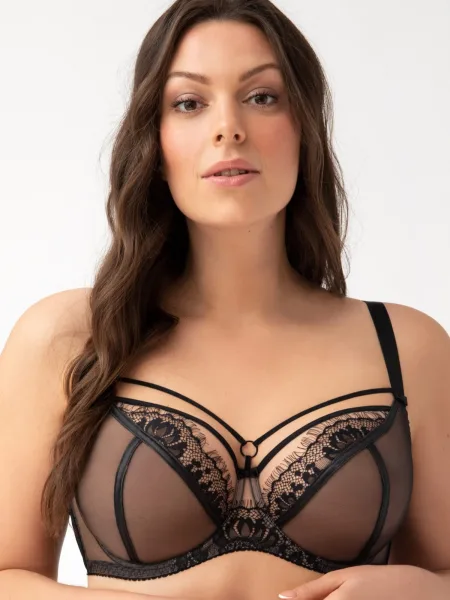
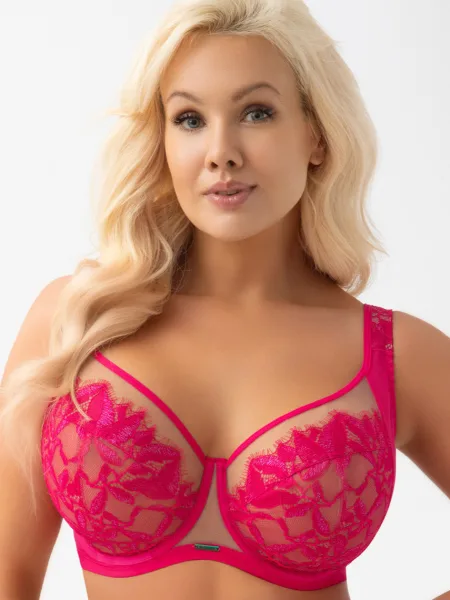
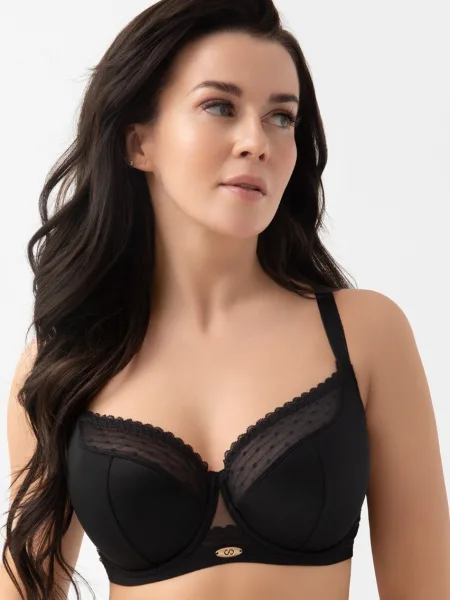
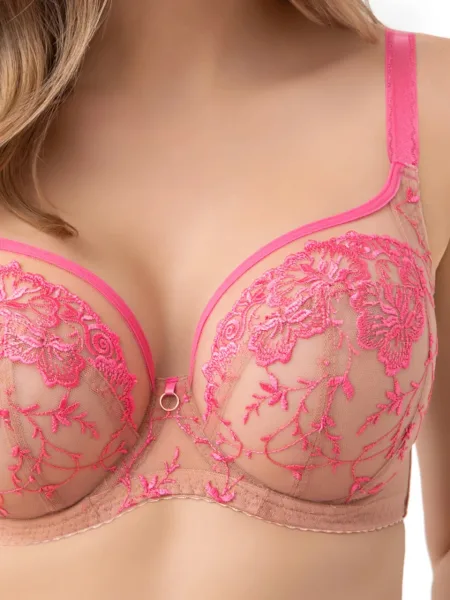
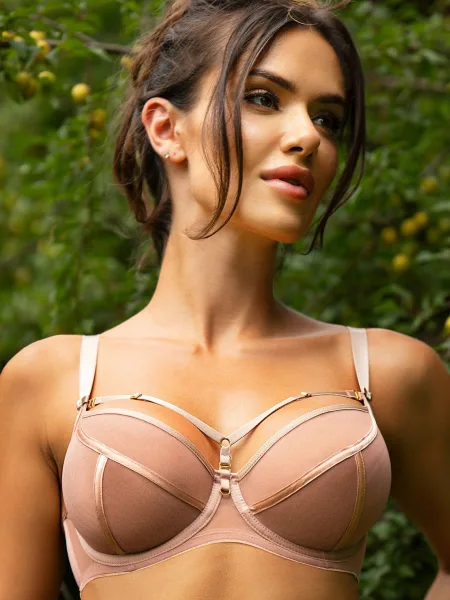
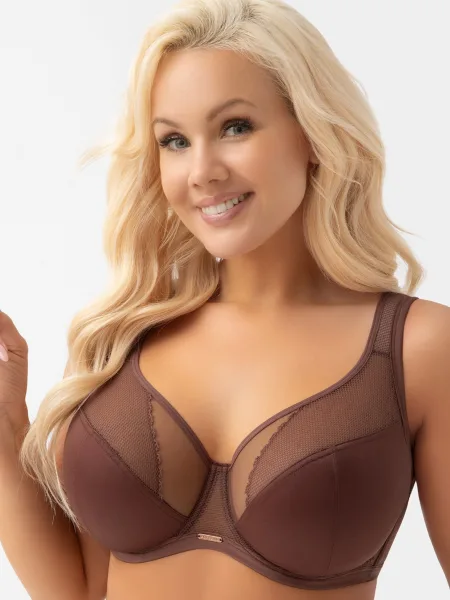
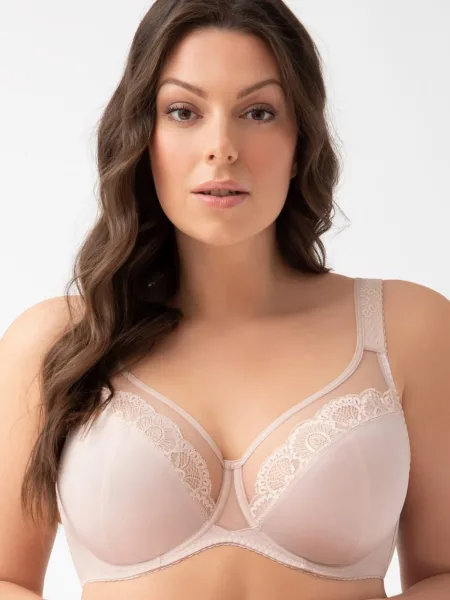
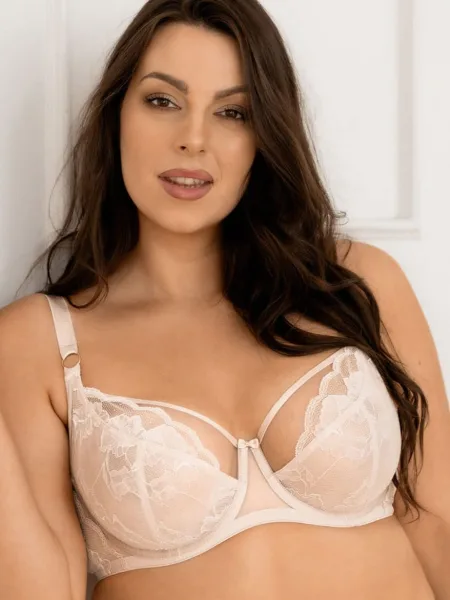
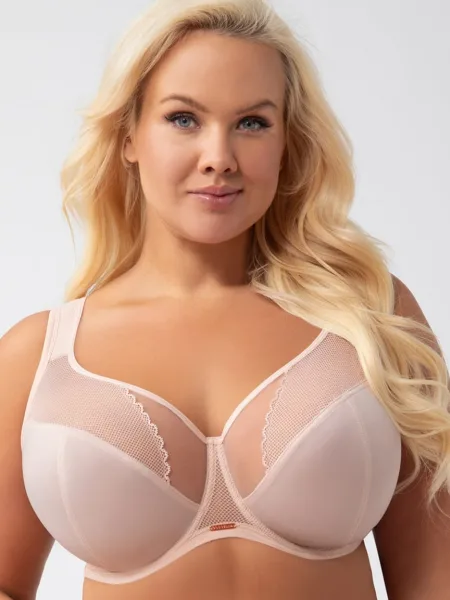
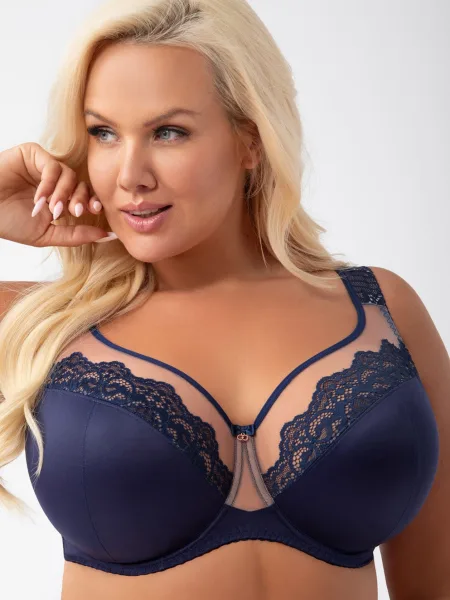
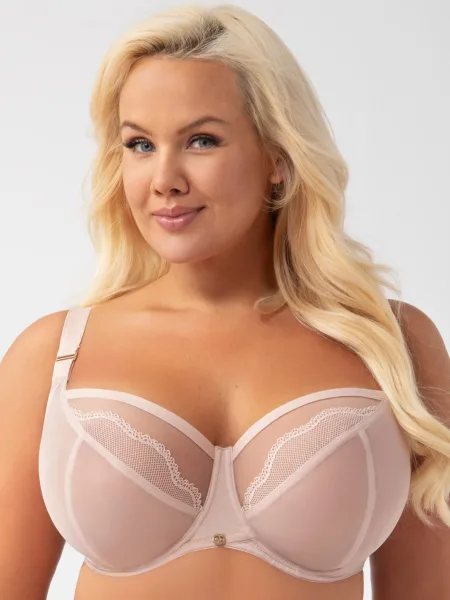
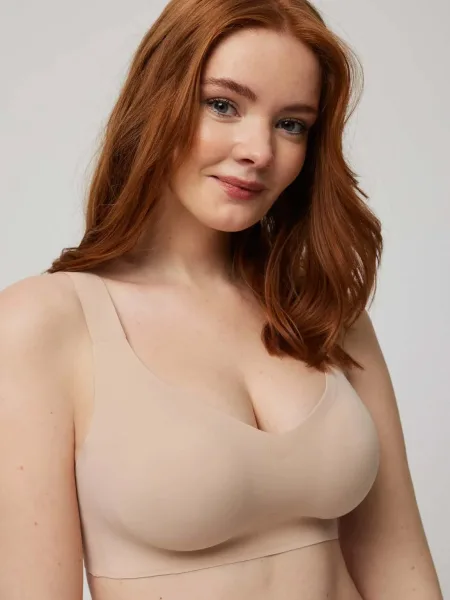
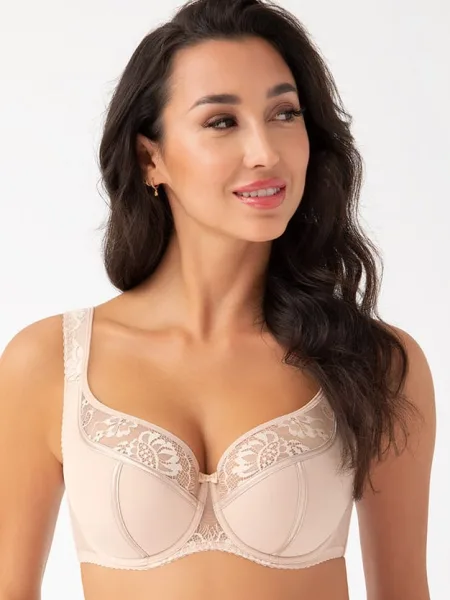
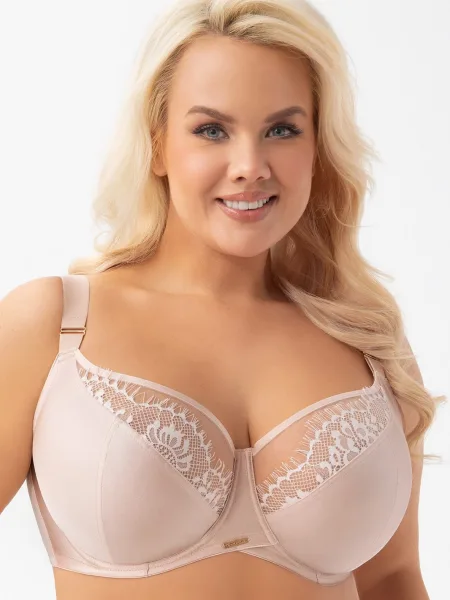
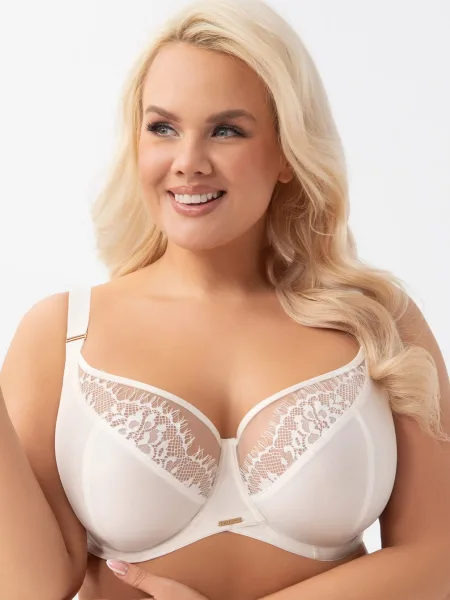
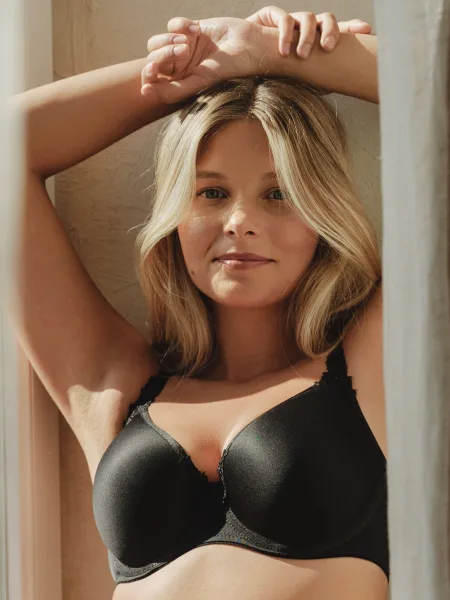
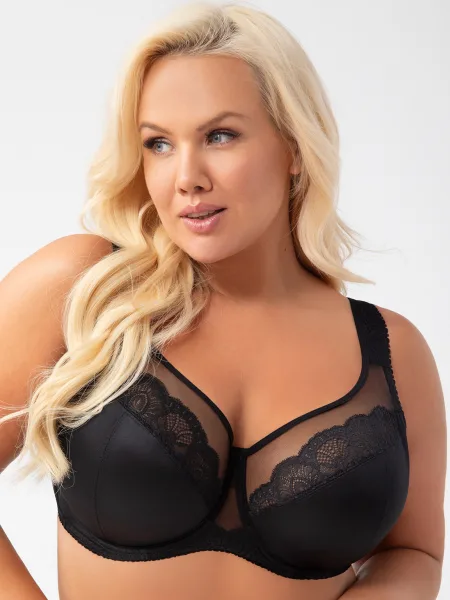
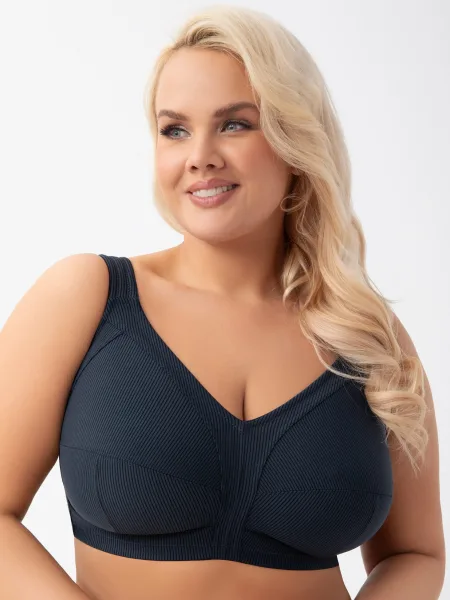
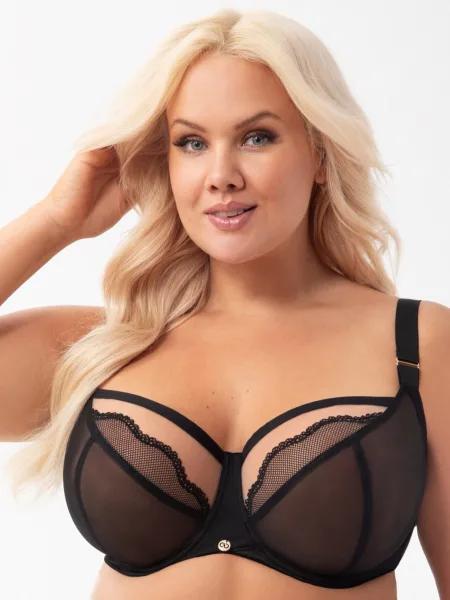
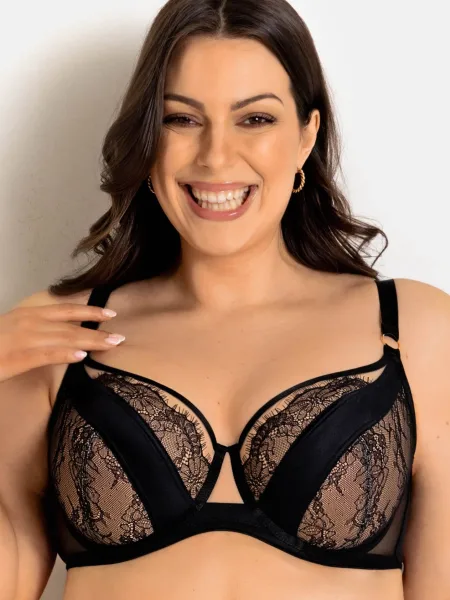

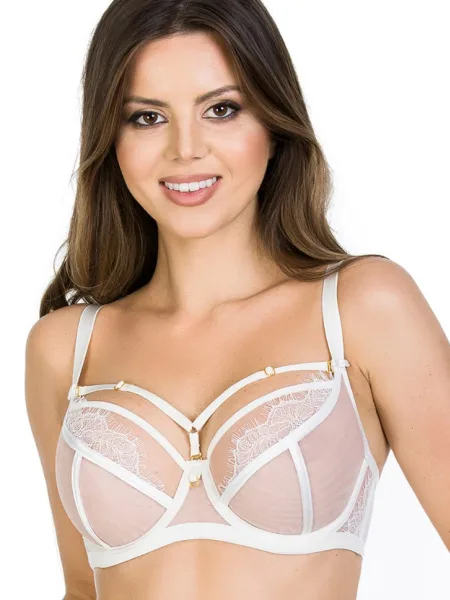
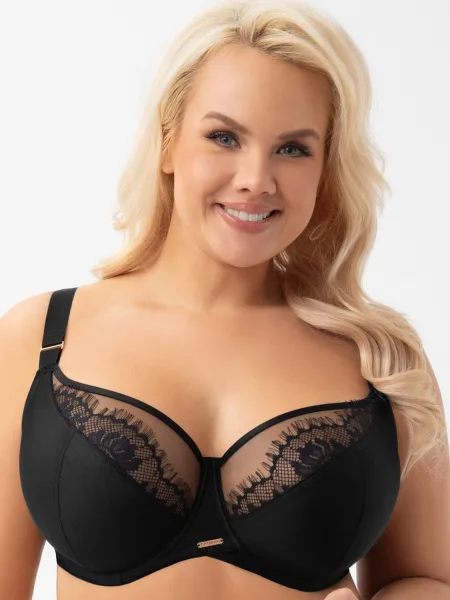

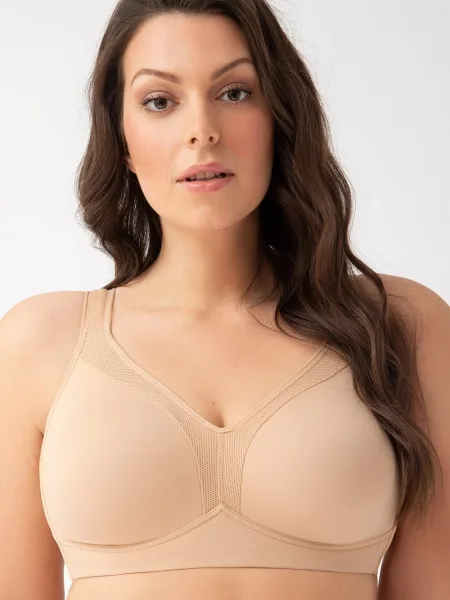
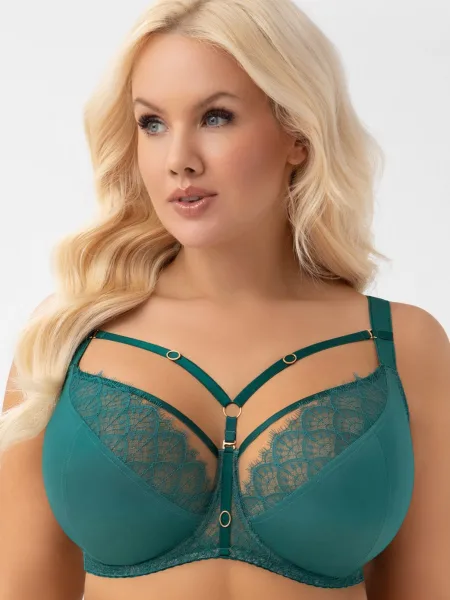
Most bra categories sort by a feature. This page sorts by a promise: the whole breast inside the cup. Around that promise, American retail keeps three names in circulation, and sorting them out is the fastest way to know you are in the right place.
Close to it. A full coverage bra covers most or all of the breast, with a top edge cut higher than balconette, demi or plunge styles. When size and shape are right, that higher edge leaves little room for spilling at the top. When they are not, the same edge is the first place the mismatch shows, and reading it is covered below. Full cup is the cup style most often behind that coverage, arriving seamed, molded, padded and wireless alike, though a high edge can finish other shapes too. Full figure names the wearer, the label American brands typically attach to D cups and beyond. Retail also files the same brief under full support bra and high coverage bra, and all of it lands here.
The words drift apart at the edges. A shallow high-neckline bra can cover fully without much depth, and a full-figure range elsewhere can include plunges and balconettes. In this catalog, though, the center of gravity is single: deep cups from Polish full-bust brands, built for fuller busts and the volumes that come with them.
Coverage and containment are related but not the same thing. Coverage is what you see at the top edge, how much of the breast the cup closes over. Containment is earned lower down, in the depth, shape and stability of the cup that holds the volume. The depth decides how much room there is, the seams or the molded shape decide what form that room takes, the fabric and upper panel decide how firmly the top edge holds, and the band, with a wire where the model has one, anchors it on the torso. The product names here speak that language: Deep Cup Support and Full Bust Projection for depth, Engineered Full Support and Architectural Banding for panel and band work, Narrow Wire Support where the frame follows a narrow breast root. These are brand descriptions rather than industry standards, and the individual product page carries the specifics.
Support for a heavy or soft bust draws on the same parts. Stable cup panels take up the tension and pass it toward the band and straps, with the band doing the anchoring around the torso. Strap placement and strap width answer different problems: straps set closer to the center slip less on sloping shoulders, while a physically wider strap spreads the same pressure over more shoulder. This is a different mechanism from a push-up's angled padding: the aim is containment rather than concentrated cleavage, and whether the finished line reads rounded, projected or reduced belongs to the individual cup, not to the coverage level.
The top edge is where a full coverage cup succeeds or gives itself away, and it reports in both directions. Spilling over the edge, or a crease pressed across the breast, can mean too little cup volume, a cup too shallow for the shape, or an upper edge cut too closed for the bust it meets. The opposite signal, a gap or loose wrinkling at the top, points to unfilled space: too much cup volume, a bust that carries less fullness on top, asymmetry, or a cup taller than the shape underneath it. A stretch-lace upper panel takes up small asymmetries and monthly change better than a rigid edge, and a very tall cup can stand away from a shorter or shallower bust even when the volume is right. All of it is ordinary fitting work, done model by model.
The sizes here are European. Wrap a tape snug under the bust, level front to back: the centimeter reading places you in the table, and the old add-four-inches habit stays out of it altogether. If you know yourself as a 36 or a 44, the same rows carry the US equivalents:
| Underbust (cm) | EU band | US band |
|---|---|---|
| 63–67 | 65 | 30 |
| 68–72 | 70 | 32 |
| 73–77 | 75 | 34 |
| 78–82 | 80 | 36 |
| 83–87 | 85 | 38 |
| 88–92 | 90 | 40 |
| 93–97 | 95 | 42 |
| 98–102 | 100 | 44 |
| 103–107 | 105 | 46 |
| 108–112 | 110 | 48 |
| 113–117 | 115 | 50 |
Treat the table as a starting point rather than a promise, since band stretch and cut vary by model, and let the chart on the individual product page have the last word.
Cups are where the systems drift. The Polish brands here run one letter per step, B through M on this page, while American labels agree up to D and then split, selling DD and DDD alongside E and F. Past D, letter-for-letter conversion turns unreliable: use your measurements and the model's chart rather than carrying the letter across. The deepest choice sits between E and I.
Full coverage is not itself a construction, so most of the store's cup constructions show up here delivering it. The deep unpadded cups that dominate the page are shared with unlined bras, and their wire-free counterparts anchor wireless bras. Unlined here means fabric instead of foam, with structure set by how many layers the cup runs, not by how little there is of it. Foam versions sit with padded bras: they add opacity, and the molded and spacer ones among them also hold a preset outline, where seamed foam-backed cups lean on their panels. Spacer names a cup material and minimizer a cup geometry, and the models that are both sit in minimizer bras, where reduced projection is the brief. Lace over a deep cup is collected at lace bras.
One neighboring page reads the same stock along the other axis. Where the ribcage, not the cup letter, is what calls for the larger size, plus size bras starts the search at band 100 and works upward.
The promise cuts both ways. Under a low neckline the high top edge shows, and depth does not fix that, a lower-cut cup does. Horizontal necklines belong to balconette bras, and the lowest center fronts to plunge bras, a separate axis that a high side panel can share. Lift-and-cleavage jobs are push-up territory. What stays the point of this page is the name read plainly: a cup cut high enough that the breast lives inside it.